
Fault codes, live data, mileage, modifications and previous tuning history all matter before extra torque is added.
Buyer Guide
How to choose a car tuner.
A good tuner should be judged by process, evidence and aftercare, not just a claimed power figure or a cheap advert.
Choosing a tuner is not the same as buying a normal service item. A remap changes how the engine makes torque, how the turbo is controlled, how the gearbox and clutch are loaded, and how hard the vehicle is asked to work.
That is why the best question is not simply "how much power will I get?" The better question is: how will the tuner know the car is healthy enough, how will the result be tested, and what happens if the vehicle shows a fault?
It is common to see vehicles arrive with boost leaks, uneven injector performance, tired sensors, previous poor software or inconsistent fuelling. In some cases, a car may feel fine on the road but show clear issues when monitored under load. That is where proper diagnostics, logging and dyno validation matter.
Questions To Ask
Before booking a remap, ask how the tuner works.
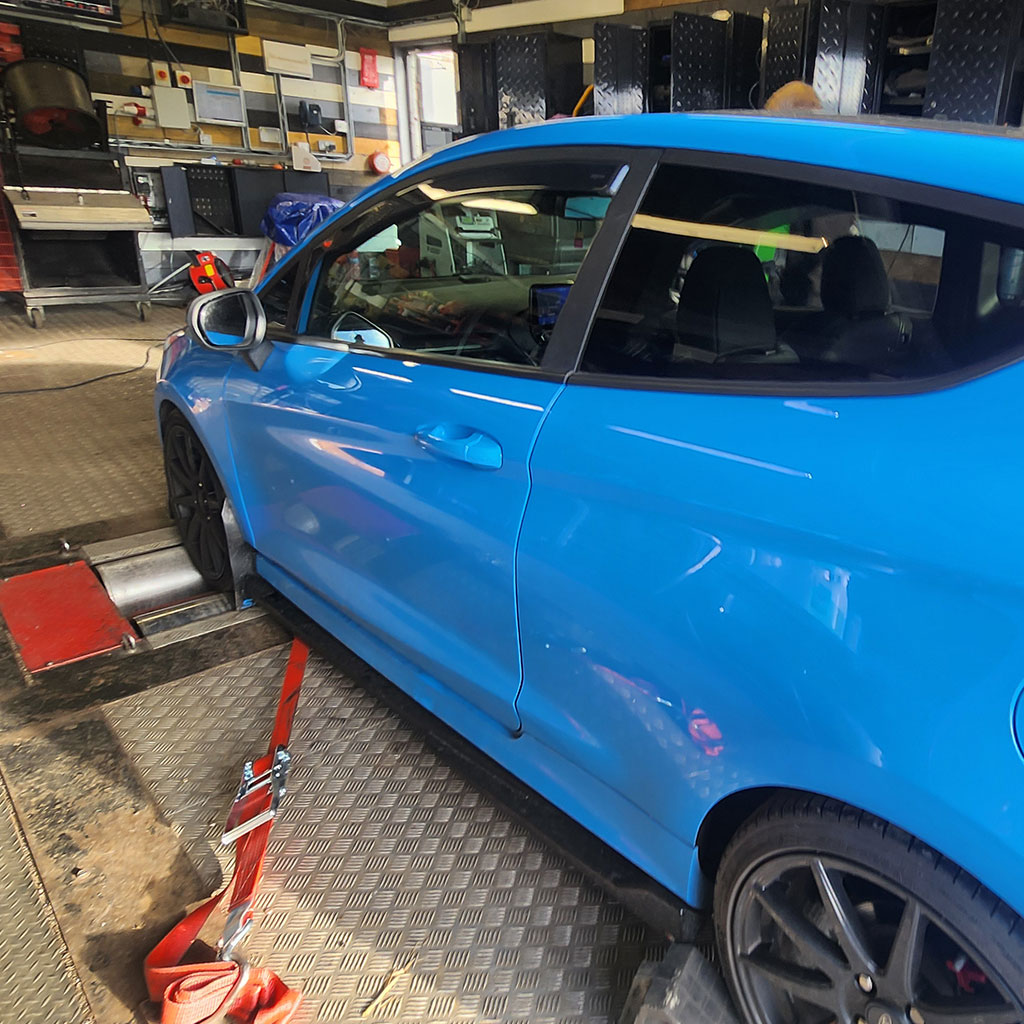
Ask whether the result is checked with dyno testing, road logging or another evidence-based process.
A good tuner should stop, explain the issue and recommend repair rather than forcing the file through.
Pre-developed files and vehicle-specific calibration are not the same thing. Ask what is actually included.
Find out whether tweaks, return checks and software corrections are handled clearly.
Dyno printouts, logs, written notes and clear explanations are more useful than vague power claims.
Red Flags
Cheap tuning can become expensive quickly.
Be careful if a tuner promises huge gains without asking about the vehicle. Be careful if every car supposedly gets the same result. Be careful if there is no mention of diagnostics, no explanation of risk, no aftercare policy and no willingness to delay tuning when the vehicle is not healthy.
A cheap file may look attractive, but if it hides fault codes, pushes torque too hard, ignores boost control or fails to spot mechanical weakness, the repair bill can be far higher than the money saved.
Better Comparison
Compare process, not just price.
Some providers rely on pre-developed files and fast turnaround. Others carry out testing and validation specific to the vehicle in front of them. Both approaches exist, but they should not be presented as the same thing.
If your vehicle is standard, healthy and you want a modest gain, a simple tuning route may be enough. If your car is modified, high mileage, already mapped, showing warning lights or used hard, you should be more interested in diagnostics, dyno testing, live data and aftercare.
For more detail, read about fake dyno claims, custom dyno tuning vs generic remaps, and what aftercare should look like.
Search Questions
Questions people search when they do not trust tuning adverts.
Will the car be checked first?
Ask whether fault codes, live data, vehicle history and current symptoms are checked before torque is added.
Will my result be tested on my car?
Ask whether the final result is verified on the actual vehicle, not only based on previous testing from another car.
What happens if the data looks wrong?
A credible tuner should stop, explain the finding and recommend repair or a safer target rather than forcing a file through.
Who deals with issues afterwards?
Ask whether aftercare is handled by the same workshop and what route exists if a warning light, smoke, clutch slip or drivability issue appears.
Minimum signs of a credible tuner: clear questions before booking, evidence-led checks, realistic power targets, proof after tuning, written aftercare and a willingness to delay the job if the vehicle is not ready.
Conclusion
Understanding the process can change the outcome.
Choosing a tuner is really choosing a process. The right workshop should be willing to check the car, explain the limits, test the result and support genuine concerns afterwards. If the vehicle needs repair before tuning, hearing that early is not bad service. It is how expensive mistakes are avoided.
FAQ
Quick tuner choice questions.
What should I ask before choosing a tuner?
Ask whether the car is checked first, whether the tune is verified on your vehicle, what data is logged, and what aftercare is included.
Is dyno tuning always better?
A dyno is valuable when it is used for testing and validation. A dyno claim alone is not enough if the car in front of the tuner is not actually checked.
Are generic remap files bad?
Not always. They can suit simple healthy vehicles. The risk is when a generic file is sold as custom tuning without testing or validation on the actual car.
Why can tuning expose faults?
Extra load can reveal weak clutches, boost leaks, injector issues, DPF problems, tired sensors or previous poor software that was already present.